Just walked out of a wet basement. It smelled like wet dog, old pennies, and rotting socks. My heavy work boots are completely ruined. Again. Fifteen years I’ve been doing this dirty work. You’d think I’d be used to it by now. I’m definitely not. The sheer amount of garbage advice floating around online makes me sick. Literally. You want the raw reality of mold and air quality testing? Fine. I’ll give it to you straight right now. No fluff. Just the ugly facts I see every single day on the job. People panic quickly. They buy useless DIY kits. Absolute waste. You need to know what actually happens when you breathe that garbage. Stop wasting your money. Let’s get into the dirt.
Why Your Nose Will Lie To You
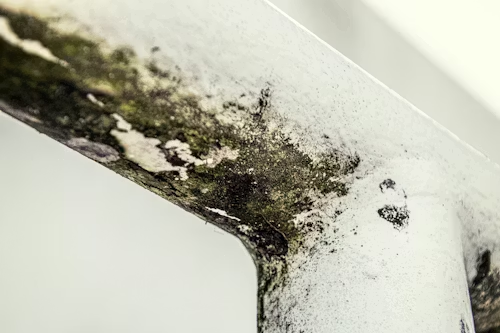
You smell something funky in the hall. Earthy. Musty. Like old cardboard left out in the cold rain. That’s your first clue. But wait. Don’t trust your nose alone. Hidden spores lurk stubbornly behind painted drywall. They breed quietly under hardwood floorboards. I ripped open a wall just last Tuesday in a beautiful suburban house. Looked pristine on the outside. Inside? A fuzzy, black nightmare. It stank to high heaven. It hit the back of my throat like a physical punch. Real air quality testing catches what your eyes and nose completely miss. It tells you exactly what invisible poison floats through your living room. You can’t fight an enemy you can’t see.
The Kitchener Nightmare Job (A Warning)
Let me tell you about a recent job. I was doing air quality testing kitchener way late last month. Nice young couple. They had chronic, hacking coughs. Their doctors couldn’t figure it out. I set up my heavy pumps. Ran the traps. The results hit my desk two days later. Stachybotrys. Toxic black mold. Spore counts through the roof. Why? A tiny, silent pipe leak behind the fridge fed the mold for three whole years. They paid a “cheap” inspector before me. He just looked around with a $10 flashlight. Pathetic. Real professional tools pull literal cubic meters of air violently through a sticky filter. We count the trapped spores under a high-powered microscope. That takes skill. Not guesswork.
Beyond the Fuzz: What Else Hides in Your Air?
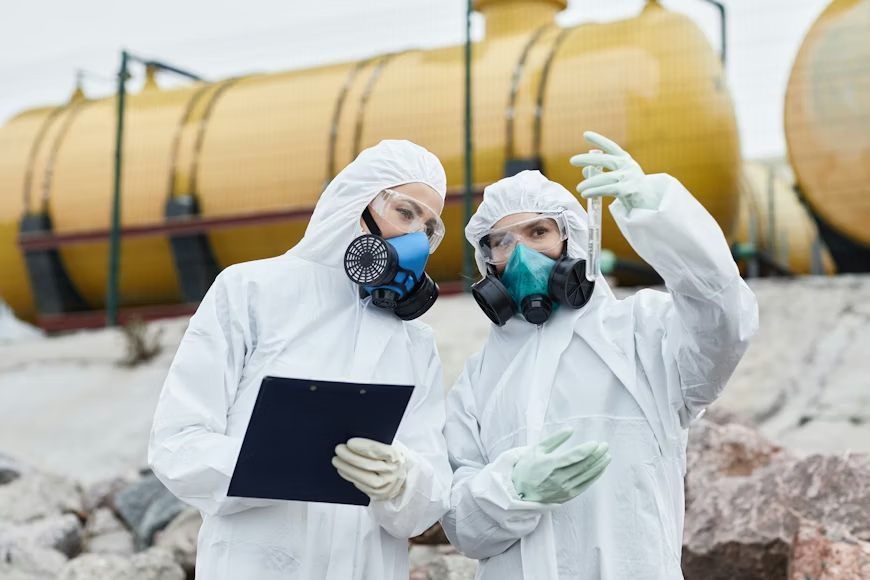
Here’s the thing. Mold is just the tip of the terrifying iceberg. You got an older home? Built before 1990? Watch out. You better think about air quality testing for asbestos too. Asbestos fibers act like tiny, invisible daggers. They shred human lungs. I worked on a massive gut-renovation project across Canada last winter. The general contractor tried to save a quick buck. He ripped out old popcorn ceilings without testing anything. Dust coated absolutely everywhere. It tasted like bitter chalk on my tongue. We shut the whole site down immediately. It cost him thousands in fines. You don’t mess around with asbestos. It kills. Slowly.
Don’t Buy the Hardware Store Hype (DIY Kits)
Those cheap petri dish kits at the local hardware store? Literal trash. Put one outside on a clear spring day. It will grow mold. Mold exists everywhere in nature. It’s the concentration and the specific type inside your house that actually matters. Anyway. People spend fifty bucks to tell them what they already know: air exists. Get a grip. Call a real professional.
The Science of Real Measurement
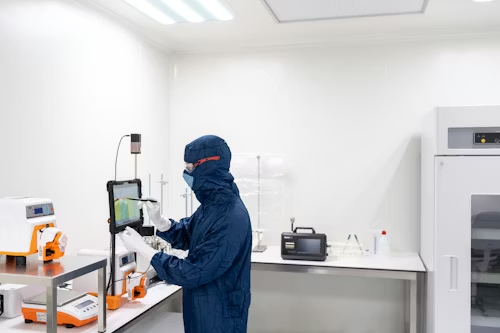
You need hard, scientific data. You need a clean baseline outside. You need targeted samples inside. You compare them rigorously against each other. That’s real air quality testing. It’s a hard science. I don’t guess. I measure things. We use calibrated rotameters. We listen to the steady hum of the pump. It sounds like a tiny jet engine whining. That means it pulls air correctly. If the pump stutters, the sample is completely useless. I throw it out. Start over. Precision matters. Your health depends heavily on that tiny filter cassette.
Call the Heavy Hitters
You have a dull headache that won’t quit? Your eyes burn every morning? Stop guessing. Stop reading mommy blogs for science advice. Get someone who actually knows the dirty trade. MSN Environmental. Look them up right now. They do it right. I’ve reviewed their detailed lab reports. Solid, undeniable data. No nonsense. No fake scare tactics. They don’t cut corners to save time. They find the ugly truth hidden in your walls. I respect that. Hard to find these days.
The Physical Toll is Real
I’ve seen strong, burly guys wheeze like severe asthmatics after one single hour in a bad attic. Mold spores trigger vicious immune responses. Your body fights a desperate war every single time you take a breath in a sick house. That heavy fatigue you feel at 2 PM? That thick brain fog? It might just be the nasty air you breathe every night. Fixing the source matters most. Find the hidden water. Kill the leak. Dry it out fast. Rip out the rotted wood. It’s loud. It’s dusty. It’s expensive. But you have to do it.
The Hard Truth About Remediation
Testing is only step one. What happens after? Chaos. Plastic sheeting goes up. Negative air machines roar like freight trains. The whole house vibrates. Guys in white Tyvek suits tear your basement apart. It looks like a gruesome crime scene. Because it kind of is. The mold stole your clean air. We take it back. Don’t hire a regular handyman to scrub black mold with cheap bleach. Bleach just feeds it water. It comes back angrier next week. You need specialized antimicrobials. You need heavy HEPA vacuums.
Real gear. I dragged a 100-pound negative air machine down a narrow flight of stairs last Friday. My back screamed. But that machine pulls 2000 cubic feet of air per minute through a massive HEPA filter. It scrubs the poison right out. A squirt bottle of Clorox won’t do that. It just makes the room smell like a dirty swimming pool while the mold laughs at you. I see grown homeowners cry when I tell them the real price of proper remediation. I hate doing it. I really do. But I hate seeing kids with chronic respiratory infections even more. Pay the money. Fix the house. Save your lungs.
The Real Estate Trap
People buy houses blind all the time. They waive inspections to win bidding wars. Insanity. Absolute insanity. You just dropped a million bucks on a house. You didn’t check the air? Good luck. Shady flippers paint over water damage all the time. Heavy primer hides the dark stains. It doesn’t kill the wet source. Six months later, the fresh paint bubbles. The black spots return aggressively. Now you own a toxic box. Smart buyers demand aggressive air quality testing before closing. They force the seller to fix the rotting attic. Don’t be the sucker holding the bag.
Wrapping Up This Mess Right Now
I’m exhausted. My gear needs heavy cleaning. I have another nasty inspection at 6 AM tomorrow. My knees hurt. But listen to me. Pay attention. Don’t let a musty smell slide. Don’t hire a guy operating out of his rusty trunk. Demand a real, lab-certified report. Demand facts. Stop ignoring the obvious signs your house is sick. It’s your health. It’s your family’s lungs on the line. Get real mold and air quality testing. Do it right today, or don’t do it at all. Simple as that.
FAQ
Forget the $50 hardware store junk. A real professional sending samples to an accredited lab runs anywhere from $300 to $800, depending on the size of the house and the number of samples needed. You get what you pay for.
No. They are worse than useless. They just prove mold exists in the air, which we already know. They don’t tell you the species, the dead spore count, or if the levels are actually dangerous compared to the outside air.
Usually two to three business days. The lab needs time to properly prepare the slides and count the spores manually under a microscope. Rushed overnight results cost double.
You smell an earthy, damp odor. You see previous water damage stains on ceilings. Your family suffers from unexplained, chronic respiratory issues, coughing, or headaches that magically disappear when you leave the house.
Rarely. Most standard home inspectors do a visual check only. They don’t carry air pumps. They don’t take lab samples. If they see a stain, they just recommend you hire an environmental specialist.
Get the Dirty Truth: Book Your Professional Air Quality Test Today
Visit Also: Asbestos removal Hamilton