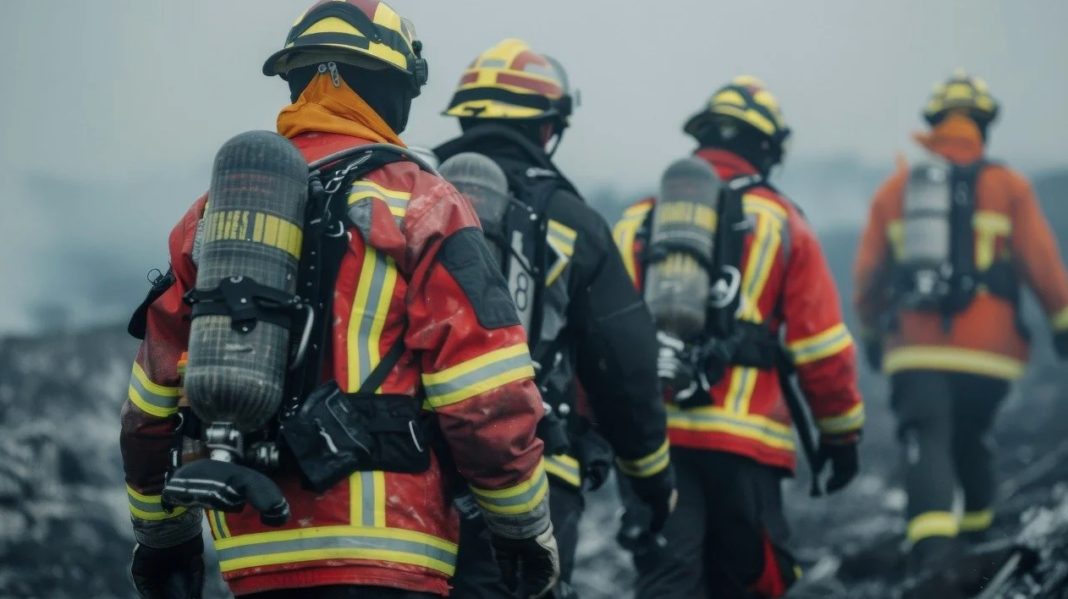

Emergency response services play an important role in helping businesses, commercial properties, industrial facilities, and organizations manage unexpected incidents quickly and effectively. Fires, floods, equipment failures, hazardous conditions, structural damage, and other emergencies can disrupt operations, threaten people and property, and create significant financial losses. A structured response helps organizations control the situation, assess damage, protect critical assets, and begin recovery as soon as possible. Professional emergency response teams provide the expertise, equipment, coordination, and practical support needed during these critical situations. By having appropriate procedures and specialist support available, organizations can reduce downtime, limit secondary damage, and establish a clear path toward restoration and business recovery.
Why Are Emergency Response Services Important for Businesses?
An emergency can develop rapidly, leaving businesses with limited time to make important decisions. Without a coordinated response, an initial incident can result in further property damage, operational disruption, data loss, safety risks, and increased recovery costs.
Professional emergency response services provide a structured approach from the initial notification through stabilization and recovery. Specialists can assess the situation, identify immediate risks, coordinate appropriate resources, and recommend actions to prevent additional damage.
For businesses, this approach is particularly important because an emergency affects more than the physical property. Employees, customers, equipment, inventory, records, supply chains, and business operations can all be affected. A well-managed response considers these factors while prioritizing safety and rapid stabilization.
What Does an Effective Emergency Response Involve?
An effective emergency response begins with understanding the nature and severity of the incident. The response team must establish what has happened, determine immediate hazards, and identify areas requiring urgent attention.
Depending on the situation, the response may include:
- Initial site assessment and emergency inspection
- Identification of immediate safety and operational risks
- Damage assessment and documentation
- Water extraction and structural drying
- Smoke, soot, and contamination management
- Temporary protection and stabilization
- Recovery of affected contents and equipment
- Coordination with insurers and relevant stakeholders
- Technical investigation where required
- Restoration planning and recovery support
The objective is not simply to address visible damage. Professional responders also consider hidden or secondary damage that could develop if the affected area is not treated promptly.
How Can Emergency Response Services in Indonesia Support Businesses?
Businesses operating across Indonesia may face a wide range of environmental, operational, industrial, and infrastructure-related emergencies. Emergency response services in Indonesia can provide organizations with specialist support when incidents require immediate assessment and coordinated action.
Commercial buildings, manufacturing facilities, warehouses, hotels, offices, and industrial sites can experience incidents ranging from fire and water damage to machinery failures and other unexpected events. Local response capabilities can help organizations react efficiently while taking into account the specific conditions of the affected facility.
A professional response team can assist with assessing the incident, documenting damage, implementing immediate mitigation measures, and coordinating subsequent restoration activities. This can be especially valuable for organizations that need to resume operations while managing insurance requirements and maintaining communication with multiple stakeholders.
What Types of Incidents Require Professional Emergency Response?
Different incidents require different response strategies. Fire and smoke damage may require immediate assessment of structural areas, equipment, contents, and contamination. Water-related incidents may require rapid extraction and drying to reduce the risk of mould growth and deterioration.
Other situations that may require professional emergency support include:
- Flooding and water intrusion
- Fire and smoke incidents
- Industrial accidents
- Equipment or machinery failures
- Structural damage
- Storm and weather-related damage
- Hazardous contamination
- Mould-related incidents
- Utility or infrastructure failures
- Significant property damage
Each incident should be assessed individually because the appropriate response depends on the source, severity, affected materials, environmental conditions, and operational requirements of the property.
Why Is Rapid Emergency Response Important After Property Damage?
Time is often a critical factor following an emergency. Damage that initially appears manageable can become more extensive when corrective action is delayed. Water can penetrate building materials, smoke residues can affect surfaces and equipment, and unstable areas can create additional safety concerns.
A rapid response allows affected areas to be assessed and stabilized before secondary damage develops. Early intervention can also help identify items that may be recoverable, allowing businesses to prioritize restoration rather than automatically replacing damaged assets.
Fast documentation is equally important. Photographs, inspection findings, inventory records, and other evidence can help establish the extent of the incident and provide useful information for insurance claims and subsequent investigations.
How Do Emergency Response Teams Help Minimize Business Disruption?
For many organizations, restoring the property is only part of the challenge. The larger concern may be maintaining or restarting critical operations.
Emergency response specialists can help businesses identify priority areas and determine which actions should be completed first. For example, protecting essential equipment, controlling water intrusion, isolating contaminated areas, or stabilizing affected structures may allow other parts of a facility to remain operational.
A coordinated response can also improve communication between property owners, facility managers, insurers, contractors, investigators, and restoration professionals. Clear responsibilities and documented actions reduce confusion during an already stressful situation.
This coordinated approach can shorten recovery timelines while helping organizations manage costs and protect business continuity.
What Role Does Damage Assessment Play in Emergency Response?
Damage assessment provides the technical foundation for recovery planning. Before restoration work begins, specialists need to understand what has been damaged, the extent of the damage, and whether additional risks are present.
A comprehensive assessment may examine structural elements, electrical systems, mechanical equipment, building finishes, contents, inventory, and other affected assets. Depending on the incident, specialized testing or forensic investigation may also be necessary to determine the cause of damage.
Accurate assessment helps organizations establish priorities, estimate recovery requirements, document losses, and make informed decisions about repair or replacement. It can also provide valuable evidence for insurance claims and legal or technical investigations.
How Can Businesses Prepare for Future Emergencies?
Emergency preparedness should begin before an incident occurs. Organizations can reduce their exposure to disruption by identifying critical operations, assessing potential hazards, establishing communication procedures, and maintaining appropriate emergency contacts.
Businesses should also regularly review their emergency response and business continuity plans. Staff training and practical exercises can help employees understand their responsibilities and identify weaknesses in existing procedures.
Important preparation measures may include maintaining emergency contact lists, protecting critical records, identifying alternative operating arrangements, establishing supplier and contractor contacts, and documenting procedures for reporting and escalating incidents.
Preparedness does not eliminate emergencies, but it can significantly improve an organization’s ability to respond effectively.
When Should a Business Contact an Emergency Response Specialist?
Businesses should consider contacting an emergency response specialist whenever an incident has the potential to threaten safety, cause significant property damage, disrupt operations, or create secondary losses.
Early professional involvement can be particularly valuable when the source of damage is unclear, multiple systems or areas are affected, specialist equipment is required, or insurance documentation will be necessary.
A professional assessment provides businesses with objective information about the condition of the property and the actions required to stabilize and recover it. This can prevent organizations from making rushed decisions based solely on visible damage.
How Can Approved Group International Support Emergency Recovery?
Choosing the right response partner can make a significant difference during a critical incident. Approved Group International provides professional expertise across forensic investigation, disaster restoration, damage assessment, technical inspection, sterilization, and business continuity management.
Our integrated capabilities allow organizations to address immediate emergency requirements while also considering investigation, restoration, asset protection, and operational recovery. Whether an incident involves fire, water damage, equipment failure, contamination, or another major disruption, a structured and evidence-based approach can help businesses move from emergency response toward recovery with greater clarity and control.
For organizations seeking dependable emergency response services, Approved Group International can provide specialist support focused on protecting property, reducing disruption, documenting damage, and supporting the recovery process.