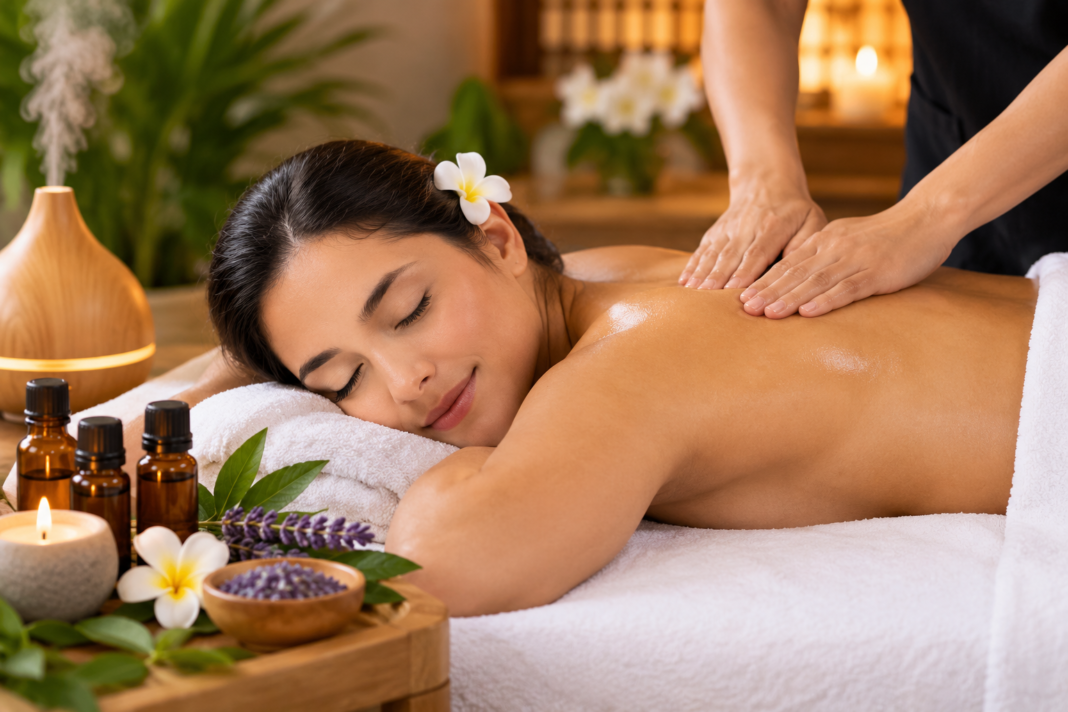

Choosing the right acupressure treatment can be a valuable addition to a personal wellness routine for people seeking relaxation, stress relief, and a soothing hands-on experience. At Acupressure massage therapy, clients can explore pressure-based techniques and massage approaches designed around individual comfort and wellness preferences. Whether you are interested in targeted acupressure or a relaxing full-body session, understanding the different options can help you select an approach that suits your needs.
What Is Acupressure Treatment?
Acupressure is a traditional practice that involves applying pressure to specific points on the body using the fingers, hands, or other appropriate techniques. It is often incorporated into massage and wellness sessions.
Unlike conventional medical treatment, acupressure is generally used as a complementary wellness practice. People may choose it as part of a routine focused on relaxation and physical comfort.
A session may involve:
- Gentle or firm pressure
- Rhythmic massage movements
- Focused work on selected areas
- Relaxation techniques
- Pressure-point techniques
- A personalized treatment approach
The level and type of pressure should always be adapted to the individual’s comfort.
Potential Benefits of Acupressure
People choose acupressure for different wellness reasons. A calm environment and hands-on treatment may provide an opportunity to step away from everyday responsibilities and focus on relaxation.
Potential benefits may include:
- Promoting relaxation
- Supporting stress management
- Helping relieve everyday muscle tension
- Encouraging a sense of physical comfort
- Providing dedicated self-care time
- Supporting a relaxing wellness routine
Research into acupressure varies by condition and application, so it is important not to view it as a guaranteed treatment for a medical condition. If you have persistent pain or a health concern, consult an appropriate healthcare professional.
Massage Therapy Services for Different Wellness Needs
Massage therapy services can include a variety of techniques designed around relaxation, muscle comfort, and general wellness. Depending on the practitioner and service, sessions may range from gentle relaxation massage to more focused therapeutic approaches.
Common massage styles can include:
- Relaxation massage
- Acupressure massage
- Therapeutic massage
- Full-body massage
- Targeted muscle massage
- Pressure-point massage
- Warm or thermal massage
Each technique can provide a different experience. Before your appointment, discuss your goals and preferences so the practitioner can recommend an appropriate approach.
Professional Massage Therapy and Personalized Care
Professional massage therapy should begin with communication between the client and practitioner. A consultation gives you an opportunity to explain why you are booking a session, identify areas of tension, and discuss your preferred pressure.
A professional session may involve:
- Initial consultation: Discuss your wellness goals and relevant health information.
- Treatment planning: Select suitable techniques and areas of focus.
- Massage session: The practitioner performs the agreed techniques.
- Ongoing communication: You can provide feedback about pressure and comfort.
- Aftercare: Your practitioner may provide general relaxation or self-care recommendations.
A personalized approach can make the experience more comfortable and help ensure that the session matches your expectations.
Acupressure Full Body Massage for Complete Relaxation
An acupressure full body massage combines full-body massage movements with pressure-based techniques. Rather than concentrating exclusively on one area, the session may address multiple areas such as the back, shoulders, arms, legs, hands, and feet.
A full-body approach can be appealing when your main goal is general relaxation rather than focusing on one specific area.
Depending on the practitioner, a session may incorporate:
- Gentle pressure
- Kneading
- Gliding movements
- Compression
- Pressure-point techniques
- Relaxation-focused movements
The exact approach should be discussed before treatment, particularly if you have areas that are sensitive or should be avoided.
How Acupressure and Massage Work Together
Acupressure and massage can complement each other within a wellness session. Massage generally involves working with soft tissues through different hand movements, while acupressure focuses on applying pressure to selected points.
Combining these approaches may create a session that includes both broad relaxation techniques and more focused pressure.
For example, a practitioner may use massage movements across the back and shoulders before incorporating gentle pressure-point techniques. The sequence and intensity will depend on the practitioner’s approach and your preferences.
What to Expect During an Acupressure Session
If you have never experienced acupressure, knowing what to expect can make the appointment more comfortable.
The session usually starts with a discussion about your goals. Your practitioner may ask about areas where you experience everyday tension, your preferred pressure, and any relevant health concerns.
During the session, you should expect professional draping and a comfortable environment. The practitioner will use appropriate techniques while checking your comfort.
Pressure should not be uncomfortably painful. If anything feels too intense, communicate immediately so the technique or pressure can be adjusted.
Choosing the Right Acupressure Treatment
The best treatment depends on what you want from the session.
For General Relaxation
A gentle full-body massage may be suitable if you want to unwind and enjoy a calming experience.
For Focused Areas
A targeted session may be more appropriate if you want the practitioner to concentrate on areas such as the shoulders, back, hands, or feet.
For Pressure-Based Techniques
If you are specifically interested in acupressure, ask the practitioner how pressure-point techniques are incorporated into the session.
For a Combination Experience
A massage session incorporating acupressure may provide both general massage movements and targeted pressure.
Preparing for Your Acupressure Session
A few simple steps can help you have a more comfortable appointment.
Before your session:
- Discuss your treatment goals.
- Tell the practitioner about relevant health conditions.
- Mention any areas that should be avoided.
- Communicate your preferred pressure level.
- Wear comfortable clothing when travelling to the appointment.
- Avoid arriving immediately after a very heavy meal.
- Allow yourself enough time so you do not feel rushed.
Hydration and adequate rest can also support your general wellness routine.
Acupressure Safety and Important Considerations
Although acupressure is generally considered a complementary wellness practice, it may not be appropriate for everyone or every situation.
Speak with a qualified healthcare professional before treatment if you have a significant medical condition, recent surgery, serious injury, unexplained symptoms, or other concerns about whether massage or acupressure is appropriate.
It is also important to inform your practitioner about relevant health information. Certain areas may need to be avoided or treatment may need to be modified.
During your session, communicate if you experience:
- Significant pain
- Dizziness
- Unusual discomfort
- Excessive pressure
- Temperature discomfort
- Any unexpected symptoms
A wellness treatment should be comfortable and respectful.
Making Acupressure Part of Your Wellness Routine
Acupressure can be incorporated into a broader self-care routine rather than being viewed as a standalone solution.
Other healthy habits can include:
- Regular physical activity
- Balanced nutrition
- Adequate sleep
- Hydration
- Gentle stretching
- Relaxation exercises
- Taking regular breaks from prolonged sitting
- Managing everyday stress
The frequency of massage or acupressure sessions depends on your personal preferences, schedule, and goals. If you are seeking treatment for a specific physical concern, discuss an appropriate approach with a qualified healthcare professional.
Why Choose a Professional Practitioner?
The quality of your experience can depend on the practitioner’s training, technique, communication, and approach to client comfort.
When choosing a provider, consider:
- Practitioner qualifications and experience
- Clean and comfortable treatment environment
- Clear communication
- Personalised treatment planning
- Transparent service information
- Appropriate hygiene practices
- Willingness to discuss contraindications and safety
Avoid providers who promise guaranteed cures or unrealistic results.
Acupressure treatment can offer a relaxing, hands-on approach to complementary wellness and self-care. Whether you are interested in massage therapy services, professional massage therapy, or an acupressure full body massage, choosing a suitable technique and communicating clearly with your practitioner can help create a more comfortable experience.
At Acupressure massage therapy, clients can discuss their wellness goals and treatment preferences before beginning a session. With realistic expectations, appropriate professional guidance, and healthy lifestyle habits, massage and acupressure can become a meaningful part of a balanced self-care routine.