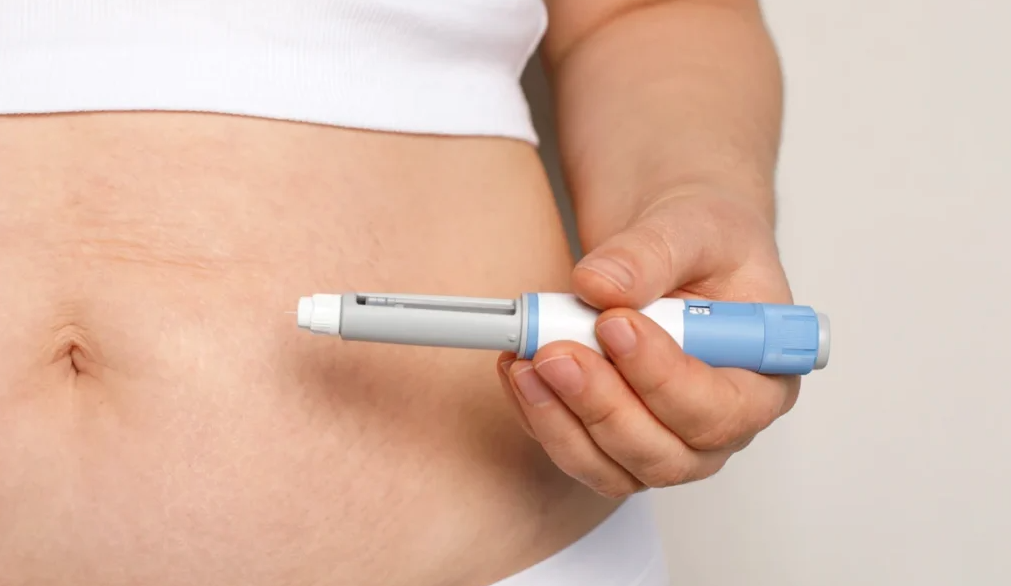

If you’ve started looking into Mounjaro, you’ve probably already seen the same dosing chart repeated across a dozen different websites: 2.5mg, then 5mg, then 7.5mg, climbing up to a maximum of 15mg. What most of those pages don’t tell you is what actually happens at each of those stages, what it really costs to get from the first injection to a working dose, or what to do if your goal is a flatter stomach and the number on the scale isn’t quite matching what’s happening around your waistline.
This guide covers all of that. It’s written for people in Dubai and the UAE who are either starting Mounjaro or seriously considering it, want to understand the dosing schedule properly, and want an honest answer about what this medication can and can’t do for stubborn, localized fat.
One thing to say upfront: nothing here replaces a conversation with your prescriber. Dosing decisions — when to increase, when to hold steady, when to pause — need to be made by you and a licensed doctor who knows your health history. This guide is here to help you understand the framework so those conversations are more informed, not to tell you what dose to take.
How Mounjaro Dosing Works — The Basics
Mounjaro’s active ingredient is tirzepatide, delivered through a once-weekly Mounjaro injection using a pre-filled pen. It’s available in six strengths, from 2.5mg up to 15mg, and treatment follows a step-up approach rather than starting at a high dose from day one.
The logic behind this is simple: tirzepatide changes how your stomach empties and how your appetite signals work, and jumping straight to a high dose without giving your body time to adjust significantly increases the risk of nausea and other digestive side effects. So instead, everyone starts at the same low dose and moves upward gradually, guided by how they respond.
Here’s the part worth understanding early, because it changes how people think about the whole process: dosing is standardised, but response to any given dose is not. Two people on the exact same 7.5mg dose can have noticeably different experiences — different appetite suppression, different side effects, different rates of weight loss. That’s normal, and it’s exactly why the schedule is a framework your prescriber adjusts around you, not a fixed countdown everyone follows identically.
The Standard Mounjaro Dosing Schedule
The typical titration path looks like this:
| Dose | Typical Duration |
|---|---|
| 2.5mg | First 4 weeks |
| 5mg | At least 4 weeks — or a maintenance dose |
| 7.5mg | At least 4 weeks |
| 10mg | At least 4 weeks — or a maintenance dose |
| 12.5mg | At least 4 weeks |
| 15mg | Maximum dose — long-term maintenance if reached |
The 4-week minimum between increases exists for a specific reason: it gives your body time to adapt to each new dose before the next one is introduced, which is what keeps side effects manageable for most people. A prescriber can — and often does — extend the time spent on any given dose beyond 4 weeks if that’s what someone needs. There’s no requirement to reach 15mg. The official maintenance doses are 5mg, 10mg, and 15mg, and plenty of people land comfortably on a lower maintenance dose and stay there long-term. If you’re weighing this up against alternatives, our Mounjaro vs Ozempic comparison breaks down how the dosing schedules differ.
What to Actually Expect at Each Dose (Not Just the Numbers)
This is the part most dosing guides skip entirely, and it’s where a lot of people get discouraged early on for no good reason. Understanding your Mounjaro dose for weight loss isn’t just about the number on the pen — it’s about knowing what that number actually does at each stage.
At 2.5mg, don’t expect much. This dose exists to build tolerance, not to produce meaningful weight loss. Many people feel little to no appetite change in these first four weeks, and that’s completely normal — it doesn’t mean the medication “isn’t working” for you. Think of this stage as calibration, not treatment.
At 5mg to 7.5mg, this is usually where people start noticing something real: meals feel more satisfying with less food, snacking urges quiet down, and the scale starts moving. This is also where mild nausea or digestive changes are most likely to show up, since it’s the biggest relative jump in effect from the starting dose.
At 10mg and above, appetite suppression tends to be considerably stronger, and this is the range where the larger, more consistent weight loss reported in clinical trials tends to happen. In the pivotal 72-week trial data, people on the 15mg maintenance dose lost an average of around 22.5% of their starting body weight, compared to roughly 21% at 10mg and 16% at 5mg — meaningful differences, but notice that even the lowest maintenance dose produced substantial results for most people.
The practical takeaway: if you’re four weeks in at 2.5mg and feeling frustrated that nothing has changed, that’s expected, not a sign of failure. The real signal comes once you’re a few weeks into a therapeutic-range dose (5mg and above) — that’s when it’s fair to properly assess how you’re responding.
Mounjaro and Stubborn or Localized Fat — What It Can’t Do
Here’s something worth being upfront about, especially if part of your goal is tackling a specific area — a stomach pouch, love handles, a double chin, or excess fat on the arms.
Mounjaro produces systemic weight loss. It reduces appetite and calorie intake across your whole body, and your body decides where that fat comes off from, based largely on genetics and your individual fat distribution pattern — not based on where you’d like it to disappear from first. This is true of essentially all weight loss methods, not just Mounjaro: diet, exercise, and GLP-1 medications all work the same way in this respect.
What this means practically: someone can reach their overall goal weight on Mounjaro and still have a stubborn pocket of fat around the abdomen or under the chin that simply didn’t shift proportionally with the rest of their body. This isn’t a failure of the medication — it’s just not what systemic weight loss drugs are designed to do.
This is exactly where non-surgical body contouring comes in, not as a competing option, but as a natural next step once the bulk of the weight loss is done. Treatments like fat freezing, laser lipolysis, or radiofrequency-based fat reduction are built specifically to target localized fat pockets that don’t respond to diet, exercise, or medication alone. Many people going through a Mounjaro course in Dubai end up considering a contouring treatment toward the end of their weight loss journey, once they’re close to goal weight and want to address the specific areas that are still holding on.
Wondering whether body contouring could help once you’re closer to your goal weight? Book a consultation to discuss your options.
Mounjaro Cost in Dubai — What the Dosing Schedule Actually Costs Over Time
Cost is one of the most practical things to plan for, and it’s rarely explained in a way that reflects the full picture. Budgeting for Mounjaro for weight loss means looking at the full titration period, not just the first month’s price.
Mounjaro pricing in the UAE typically runs from around AED 700–900 for lower-strength pens up towards AED 1,300–1,600+ for higher-strength pens, though exact pricing varies by clinic and pharmacy. What’s worth understanding is that cost doesn’t scale in a simple straight line with dose — the price difference between a 2.5mg pen and a 15mg pen isn’t proportional to the six-fold increase in medication strength, since pen pricing structures vary by manufacturer supply agreements and clinic markups.
If you map out a full titration — starting at 2.5mg and working up to a 10mg or 15mg maintenance dose over five to six months — the realistic total spend across that period is considerably more than most people budget for when they only look at the first month’s price. It’s worth asking your prescribing clinic for a rough total cost estimate across the full titration period upfront, rather than only budgeting for the starting dose.
Getting Mounjaro Prescribed Safely in the UAE
Mounjaro is a prescription medication, and proper dosing genuinely depends on a real medical assessment — your weight history, any existing health conditions, current medications, and whether there’s any reason tirzepatide isn’t appropriate for you. Mounjaro weight loss results depend heavily on getting a proper medical assessment upfront, since this is what allows a prescriber to choose a sensible starting point and adjust your schedule safely as you go.
This is also where it’s worth addressing something directly: compounded or unregulated tirzepatide has become more visible in the region and elsewhere, often marketed as a cheaper alternative to branded Mounjaro. The real concern isn’t just legality — it’s dosing accuracy. Branded Mounjaro comes in a calibrated, pre-filled pen with a fixed, tested dose per injection. Compounded versions are frequently dispensed via vial and syringe, where the actual concentration and dose delivered can vary between batches and even between individual draws. That inconsistency is a genuine safety issue, not a minor technicality — it means you can’t reliably know what dose you’re actually injecting.
A proper first consultation with a licensed clinic in Dubai typically includes a review of your medical history, current weight and BMI, any relevant blood work, and a conversation about realistic expectations and side effects before your first prescription is issued. If a source skips all of that and just sells you a pen or vial, that’s a sign to look elsewhere.
What Happens If You Miss a Dose or Pause Treatment
Life happens — a missed injection day, a trip that disrupts your routine, or a temporary supply gap. The standard guidance most prescribers follow:
- Within 4 days of your missed dose: take it as soon as you remember, then continue your normal schedule from your usual injection day.
- More than 4 days late: skip the missed dose entirely and take your next injection on your regular scheduled day. Don’t double up to “catch up” — this doesn’t improve results and increases the risk of side effects.
There’s a scenario the standard guidance often skips: what if you’re pausing for reasons other than a single missed dose — travel for several weeks, a temporary cost concern, or a supply shortage (which has genuinely happened with GLP-1 medications at various points)? In these cases, restarting isn’t always as simple as picking back up at your last dose. Depending on how long the gap was, your prescriber may recommend restarting at a lower dose and re-titrating upward again, similar to starting fresh. This is exactly the kind of situation where a quick check-in with your prescriber before resuming makes a real difference to how comfortable the restart is.
Managing Side Effects as Your Dose Increases
Mild digestive side effects — nausea, bloating, occasional constipation — are common, especially in the days right after a dose increase, and they typically settle within the first week or two at each new dose.
A few practical things that genuinely help most people get through this adjustment period:
- Eating smaller, more frequent meals rather than large ones
- Sticking to plainer, lower-fat foods for the first few days after a dose change
- Stopping eating as soon as you feel full, rather than pushing through
- Staying steadily hydrated throughout the day
If side effects are severe, persistent beyond a couple of weeks, or interfering significantly with daily life, that’s a reason to contact your prescriber rather than pushing through alone — they may suggest staying longer on your current dose before increasing further, and that’s a completely normal and often smart adjustment, not a step backward.
FAQs
Here are the most common questions people ask about their Mounjaro dose for weight loss.
The standard starting dose is 2.5mg, taken once weekly for the first four weeks, regardless of your ultimate target dose.
Typically every four weeks, moving up in 2.5mg increments, though your prescriber may extend time on a given dose if needed.
15mg once weekly is the maximum dose. It’s also the highest of the three official maintenance doses, alongside 5mg and 10mg.
No. Clinical trial data shows meaningful weight loss at all three maintenance doses — many people achieve their goals comfortably on 5mg or 10mg without ever needing to reach 15mg.
Pricing varies by clinic and dose strength, generally ranging from roughly AED 700 at lower doses to over AED 1,500 at higher doses per pen. It’s worth asking your clinic for a full titration cost estimate rather than just the starting price.
No. Mounjaro produces systemic, whole-body weight loss — it doesn’t target a specific area. Stubborn localized fat that remains after reaching your goal weight is often better addressed with non-surgical body contouring treatments.
Compounded and unregulated versions carry real dosing accuracy risks, since they’re often dispensed via vial and syringe rather than a calibrated pre-filled pen, meaning the actual dose delivered can vary. Branded Mounjaro prescribed through a licensed clinic is the safer, more predictable option.
For a short missed dose, you generally resume your normal schedule. For a longer pause, your prescriber may recommend restarting at a lower dose and re-titrating upward again, so it’s worth checking in before resuming rather than picking up where you left off.
Ready to Get Started?
Ready to start your Mounjaro journey safely? Book a consultation with our licensed prescribers in Dubai to get a personalized dosing plan, or explore our body contouring treatments if stubborn fat is your main concern.