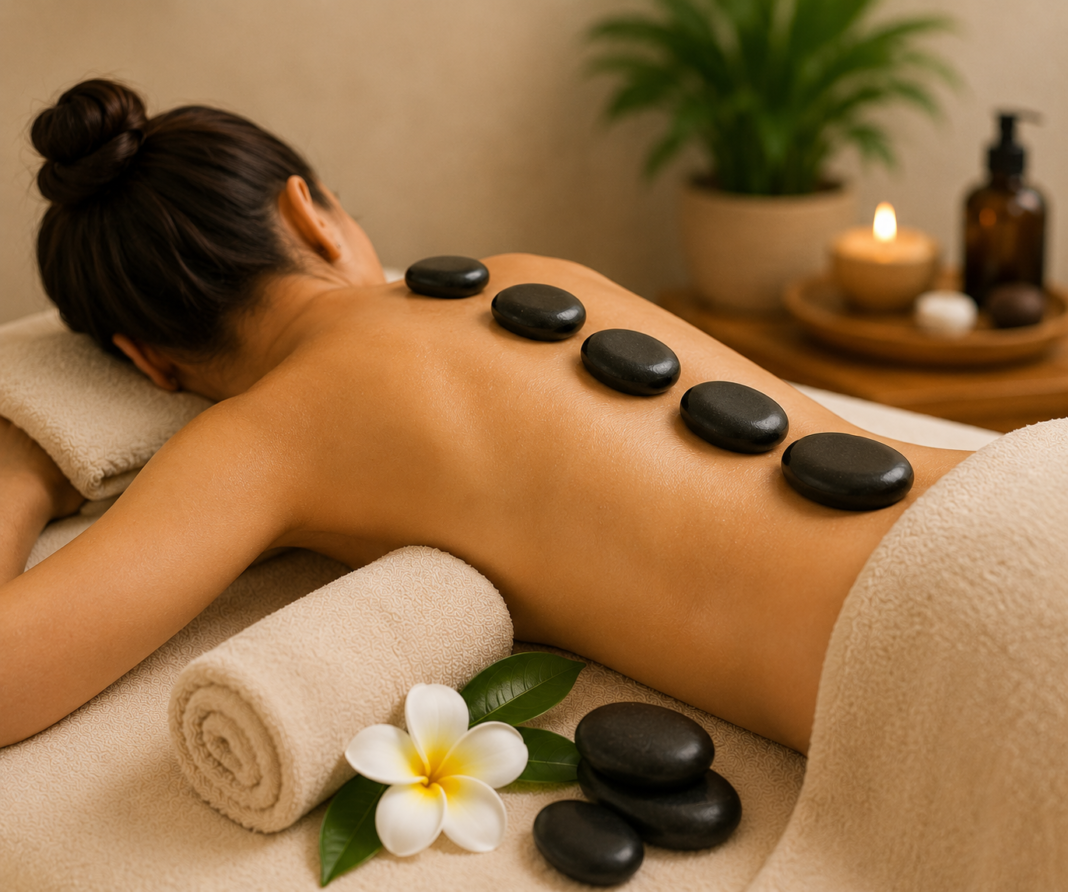

Finding time for relaxation and personal wellness can be challenging with a busy lifestyle. Acupressure massage therapy offers a pressure-based approach that can be incorporated into a regular self-care routine. By applying controlled pressure to selected points on the body, an acupressure session may promote relaxation, body awareness, and a sense of comfort. When combined with suitable massage techniques, it can create a calming experience tailored to individual wellness preferences.
What Is Acupressure Treatment?
Acupressure treatment is a traditional pressure-based technique in which a practitioner applies pressure to specific points on the body using the fingers, thumbs, palms, or other appropriate techniques. It is commonly associated with traditional Asian wellness practices and is often used as a complementary approach to relaxation.
Unlike some massage techniques that primarily involve broad strokes across muscles, acupressure focuses more specifically on selected pressure points. The amount and duration of pressure can be adjusted depending on the individual’s comfort and the area being addressed.
A session may be designed around general relaxation, muscle comfort, stress management, or overall wellness. It should not be considered a replacement for diagnosis or medical treatment when a health concern requires professional medical care.
How Acupressure Can Support Your Wellness Routine
Many people choose acupressure as part of a broader relaxation and self-care routine. A comfortable session can provide an opportunity to slow down, focus on breathing, and become more aware of areas of tension or discomfort.
Potential wellness benefits may include:
- Encouraging relaxation
- Supporting a calm state of mind
- Promoting body awareness
- Providing temporary muscle comfort
- Complementing other massage techniques
- Creating dedicated time for self-care
Individual experiences can vary, and results may depend on the technique used, pressure level, session length, and personal preferences.
Massage Therapy Services for Personalized Care
Massage therapy services can include a variety of techniques designed around different relaxation and wellness goals. Depending on the practitioner and service offered, sessions may involve Swedish-style massage, therapeutic massage, pressure-based techniques, or combinations of approaches.
A personalized massage session may focus on areas where you commonly experience muscle tightness after work, exercise, travel, or daily activities.
When selecting massage therapy services, consider:
- The type of massage offered
- Practitioner experience and training
- Session duration
- Pressure preferences
- Areas you want addressed
- Your comfort level
- Any relevant health considerations
Communicating your preferences before and during a session can help the practitioner adjust the technique appropriately.
Professional Massage Therapy: What to Expect
Professional massage therapy involves working with a trained practitioner who can adapt massage techniques according to your needs and comfort. A session usually begins with a conversation about your preferences, areas of concern, pressure level, and general wellness goals.
During the session, the practitioner may use different techniques depending on the service. These may include gentle strokes, kneading, sustained pressure, or targeted work around selected areas.
A professional approach should prioritize:
- Client comfort
- Appropriate pressure
- Clear communication
- Proper hygiene
- Respect for personal boundaries
- A suitable treatment environment
If a particular movement or pressure feels uncomfortable, communicate this immediately. Massage should be adapted to your comfort rather than causing unnecessary discomfort.
Acupressure Full Body Massage for Relaxation
An acupressure full body massage combines pressure-based techniques with broader massage movements across different areas of the body. Instead of concentrating on only one region, the session can provide a more comprehensive relaxation experience.
Depending on the practitioner and treatment style, attention may be given to the back, shoulders, arms, hands, legs, feet, neck, and other appropriate areas.
A full-body session may be suitable for people who want to incorporate relaxation into their wellness routine rather than focusing exclusively on one area.
The experience can vary considerably between practitioners, so it is useful to discuss the treatment structure beforehand. You can also explain whether you prefer light, medium, or firmer pressure.
Acupressure and Massage: What’s the Difference?
Acupressure and massage can overlap, but they are not exactly the same technique.
Massage commonly uses broader movements across soft tissues, while acupressure places greater emphasis on applying pressure to specific points. Some practitioners combine both approaches during the same session.
This combination can create a treatment that includes broad relaxation techniques alongside more focused pressure work.
The best approach depends on your personal preferences, comfort level, and wellness goals. A practitioner can explain which techniques they offer and how they may be combined during a session.
Preparing for an Acupressure Session
A little preparation can make a massage or acupressure session more comfortable.
Before your appointment:
- Avoid arriving overly full immediately after a large meal.
- Drink an appropriate amount of water.
- Wear comfortable clothing when suitable for the treatment.
- Tell the practitioner about areas you want to avoid.
- Explain your preferred pressure level.
- Mention any relevant health concerns or sensitivities.
- Arrive with enough time to relax before the session.
During the consultation, be honest about your comfort level. This allows the practitioner to make appropriate adjustments.
How Often Should You Have Acupressure Treatment?
There is no universal schedule that works for everyone. Some people may enjoy occasional sessions as part of relaxation and self-care, while others may prefer a more regular routine.
The appropriate frequency can depend on factors such as lifestyle, activity level, personal preferences, session intensity, and overall wellness needs.
Rather than focusing only on frequency, consider how your body responds after each session. If you experience persistent or unusual discomfort, consult an appropriate healthcare professional rather than relying solely on massage or acupressure.
Choosing the Right Acupressure Practitioner
Choosing a suitable practitioner is an important part of having a positive experience. Look for someone who clearly explains the treatment, understands pressure techniques, maintains appropriate hygiene standards, and respects your preferences.
You can ask about:
- Practitioner training and experience
- Types of massage offered
- Acupressure techniques used
- Session duration
- Pressure options
- Hygiene practices
- Contraindications or situations where treatment may not be appropriate
A good practitioner should also be comfortable answering questions before the session begins.
Make Acupressure Part of Your Wellness Routine
Acupressure treatment can be a relaxing addition to a balanced wellness routine. Whether you prefer targeted pressure techniques, massage therapy services, professional massage therapy, or an acupressure full body massage, choosing an experienced practitioner and communicating your preferences can help create a more comfortable experience.
Acupressure should be viewed as a complementary wellness practice rather than a substitute for medical diagnosis or treatment. If you have a medical condition, are pregnant, have recently undergone surgery, or have another health concern, speak with an appropriate healthcare professional before receiving massage or acupressure.
With a personalized approach, comfortable techniques, and consistent self-care, acupressure and massage can become valuable parts of a relaxing wellness routine.